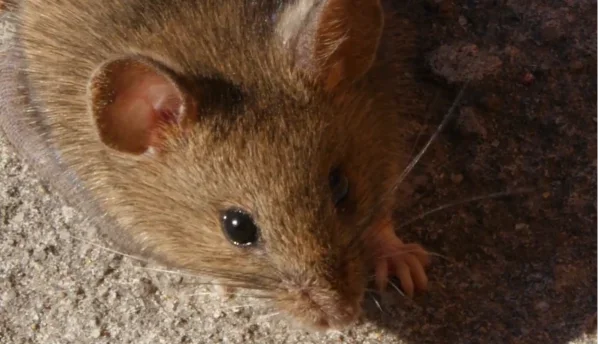
Mice vs Rats vs Squirrels: Signs That Tell Them Apart
Droppings, noise timing, and nesting tell you what is in the walls or attic, and why the fix differs by animal.
Guides
Plain-language guides on signs, traps, poison safety, cleanup, rentals, dead animals, and chewed wiring, written for Scranton’s older homes. Health and legal content here is general information, not medical or legal advice.
Droppings, noise timing, and nesting tell you what is in the walls or attic, and why the fix differs by animal.
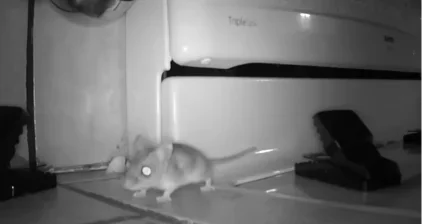
Wrong placement, open entry points, and food left out are the usual reasons traps do not hold, and the signs that DIY has run its course.

How rodent bait can reach pets, children, and wildlife second-hand, what tamper-resistant stations do, and what to ask before any bait is placed.
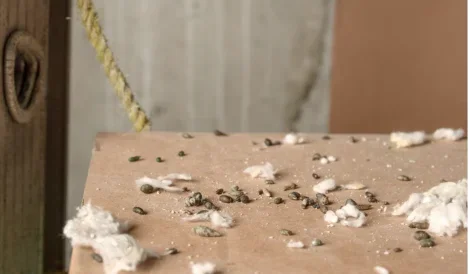
Do not sweep or vacuum droppings dry. Ventilate, wet with disinfectant, wear gloves, and bag waste, following CDC guidance.
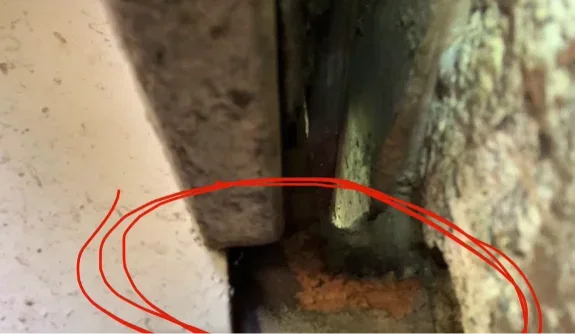
Pennsylvania habitability rules in plain language, who usually pays, how to document, and what to do when a landlord will not act. General information, not legal advice.
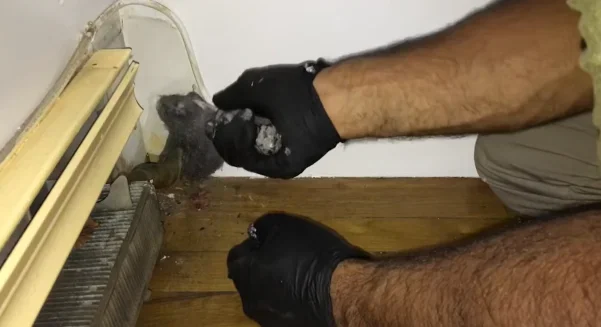
How the smell is traced, who handles private property versus streets, and why dogs and cats go to a different number than rodents.
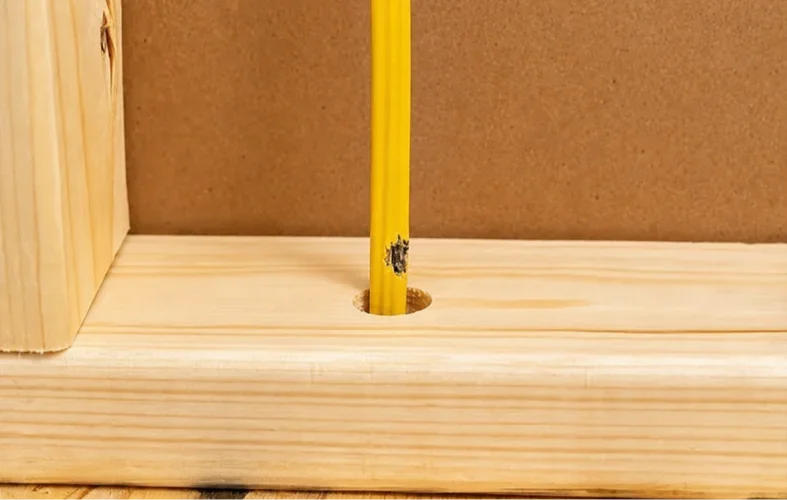
Rodents gnaw because their teeth keep growing. Learn the signs of chewed wiring and the order: make it safe, remove rodents, seal, then repair.
Every guide ends with the same next step: an inspection with photos of the findings and a quote from the provider before work begins. Request a Callback or call for today’s availability.
Describe what you are seeing — droppings, scratching at night, a mouse in the kitchen, or a smell in a wall — and the provider will explain the next step and what an inspection covers.