Commercial Rodent Control in Scranton, PA
A rodent sighting in a business is a health, reputation, and inspection problem, not just a nuisance. Commercial rodent control in Scranton, PA gives businesses scheduled inspections, monitoring, documentation, and exclusion work that fits their operations. A local provider will tailor the plan to the business. Call for today’s availability.
- Inspection-first
- Exclusion-first
- Photo-documented
- Pet- and child-conscious process
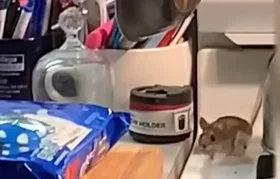
Businesses face rodent pressure that homes do not. A restaurant, grocery store, or warehouse handles food in volume. An office or apartment building has many people, many doors, and many shared walls. A rental property has turnover that leaves units empty and then re-occupied. In each case, one sighting can reach customers, tenants, staff, and inspectors quickly, and the cost is measured in lost business and reputation as well as in cleanup.
Commercial rodent control is therefore built around schedules, monitoring, and documentation rather than one-off visits. This page covers how commercial service is organized for different kinds of businesses, what monitoring and documentation include, how exclusion fits commercial buildings, and how pricing works for business accounts. This page is for business customers only. Homeowners should see the mice removal, rat removal, and rodent exclusion pages.
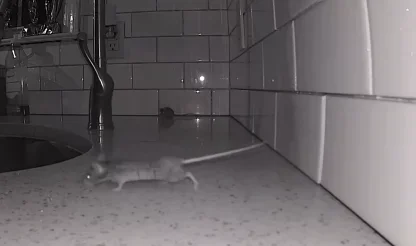
How Commercial Rodent Control Is Organized
Commercial service starts with a site assessment: a walk-through of the building, inside and out, that maps entry points, harborage, food storage, waste handling, and the areas where signs have appeared. From that assessment, the business gets a written plan with a service schedule, monitoring points, and the exclusion work the building needs. The schedule is set around the business: service visits are arranged to avoid peak hours where possible, and food businesses can arrange visits outside food-preparation times.
The plan is not a one-visit fix. Commercial accounts run on recurring service, because buildings are entered and re-entered daily, deliveries bring new attractants, and neighboring properties change. A typical arrangement includes regular inspection visits, monitoring stations checked on each visit, trapping where activity is found, and exclusion work as a first-phase project. The frequency depends on the type of business, the size of the building, and the level of activity found. A restaurant with food storage and a loading dock needs a different rhythm than a small office.
- Site assessment: entry points, harborage, food storage, waste handling, and signs
- Written plan with a service schedule, monitoring points, and exclusion scope
- Visits scheduled around business operations, including outside food-preparation times where needed
- Recurring service: regular inspections, monitoring checks, trapping, and follow-up
- Frequency set by business type, building size, and activity level
Monitoring and Documentation for Businesses
Monitoring is what turns rodent control from guesswork into a record. Monitoring stations — tamper-resistant bait stations or traps placed at agreed points — are checked on each visit, and each check is logged: date, station, activity found, action taken. That log becomes the business’s rodent-control record, which matters for health inspections, audits, and landlord or franchise requirements. If an inspector asks what was done and when, the log answers the question.
Documentation also covers the building. The initial assessment report lists entry points with photos, the exclusion work done, and any conditions the business should fix: door seals, waste handling, storage practices, or gaps left by contractors. Follow-up reports note changes: new activity, new gaps, or stations that need moving. Reports are written in plain language so a manager, owner, or inspector can read them without pest-control training. Documentation practices are described here in general terms; a business should confirm with its own inspector or auditor which records its inspection regime requires.
Commercial Rodent Exclusion for Business Buildings
Exclusion matters more in commercial buildings than in homes, because the buildings are bigger, the doors open more often, and the gaps multiply: loading docks, delivery doors, utility chases, compactor areas, and shared walls with neighboring businesses. A commercial exclusion project maps every gap in the same way as a residential one, then seals the gaps with materials matched to the building — hardware cloth, metal flashing, door sweeps and dock seals, vent screening, and mortar or sealant for foundation gaps.
Some gaps cannot be sealed without changing how the business operates. A delivery door that stands open all day needs a door-management plan, not just a sweep. A shared wall with a neighboring business needs the neighbor’s cooperation. The assessment report flags these cases and separates the sealing work from the operational changes, so the business can act on both. Exclusion is scheduled so it does not interrupt operations, and it is verified on follow-up visits.
Industries Served: Restaurants, Warehouses, Offices, Apartments, and Rentals
Restaurant rodent control is driven by food safety and inspection risk. Kitchens, storage rooms, and waste areas are inspected closely, monitoring is placed with food-handling rules in mind, and visits are scheduled to avoid food-preparation times where possible. Storage practices matter: food in sealed containers, waste in bins with tight lids, and loading areas kept clear all reduce pressure. Reports give the restaurant a record for inspections.
Warehouse rodent control centers on storage and entry. Loading docks, roller doors, and utility penetrations are the usual routes in, and stored goods — especially food, paper, and fabric — provide nesting and food. Monitoring covers dock areas, storage aisles, and the building perimeter, and exclusion work targets dock seals and gaps. Office rodent control is usually quieter: kitchens, break rooms, and storage closets are the focus, and service is scheduled to avoid work hours. Apartment and rental property rodent control is building-wide by design: a single unit’s mice are often a building problem, so the plan covers common areas, basements, utility chases, and unit turnovers, with documentation the owner or manager can use for habitability records.
- Restaurants and food businesses: kitchens, storage, waste areas, and inspection-ready records
- Warehouses and storage: docks, roller doors, storage aisles, and perimeter monitoring
- Offices: break rooms, kitchens, storage closets, and after-hours-friendly scheduling
- Apartment buildings: common areas, basements, utility chases, and building-wide plans
- Rental properties: turnover checks, documentation, and coordination with owners and managers
How the Work Is Typically Sequenced
- Assess
Site walk-through of the building inside and out, mapping entry points, harborage, food storage, waste handling, and signs. - Plan
Written plan with a service schedule, monitoring points, exclusion scope, and a quote, set around business operations. - Exclude
Sealing of identified entry points with materials matched to the building, scheduled to avoid disrupting operations. - Monitor
Recurring visits check monitoring stations, trap where activity is found, and log every check. - Report
Plain-language reports after each phase and on each visit, forming the business’s rodent-control record.
See how the 6-step process works, what happens on each visit, and what to prepare.
What a Provider Typically Includes — and What Is Typically Not Included
Typically Included
- Site assessment with a written, photo-documented report
- Service schedule set around business operations
- Monitoring stations checked and logged on each visit
- Trapping where activity is found
- Exclusion work as scoped in the written plan
- Plain-language reports forming the business’s rodent-control record
Typically Not Included
- Repairs to wiring, plumbing, HVAC, refrigeration, or structural damage
- Cleaning of food-contact surfaces or deep cleaning of kitchens and storage
- Control of insects or other pests, unless separately arranged
- Sealing of gaps on a neighboring property without that owner’s agreement
Commercial service is for business accounts. Residential pricing is not covered on this page; homeowners should see the residential service pages.
How Often Should a Business Have Rodent Service?
Frequency depends on the business. Food businesses and warehouses with loading docks usually need the most frequent service, because food, deliveries, and doors create constant pressure. Offices and small retail spaces usually need less. The site assessment sets the frequency based on business type, building size, and activity found, and the schedule is adjusted if monitoring shows a change.
Can Service Be Done Without Disrupting Customers?
Yes, in most cases. Visits are scheduled around operations, including outside food-preparation times where needed, and work in customer-facing areas is kept discreet. The plan will note any work that has to happen during business hours and agree on timing with the manager in advance.
What Records Will My Business Get?
A written assessment report with photos, a service schedule, a monitoring log checked on each visit, and follow-up reports noting activity, exclusion work, and conditions to fix. Together these form the business’s rodent-control record for inspections and audits.
Frequently Asked Questions
What is commercial rodent control?
Scheduled rodent control for businesses: site assessment, monitoring stations checked and logged on each visit, trapping where activity is found, exclusion work, and plain-language reports that form the business's rodent-control record.
Which businesses do providers serve?
Restaurants and food businesses, warehouses and storage, offices, apartment buildings, and rental properties in the Scranton area. Service is organized around each business type and its operations.
Do providers work with restaurants during health inspections?
Service reports and monitoring logs give a restaurant a documented record for inspections. Confirm with your own inspector or auditor which records your inspection regime requires.
Can a provider service a building with multiple tenants?
Yes. Apartment and multi-tenant buildings are typically handled with building-wide plans covering common areas, basements, utility chases, and unit turnovers, with documentation for the owner or manager.
Related Services
- Rat Removal in Scranton, PA
- Rodent Exclusion in Scranton, PA
- Attic Rodent Cleanup in Scranton, PA
- Basement & Crawl Space Rodents in Scranton, PA
Not Sure Where to Start? Call for Today’s Availability
Call (570) 555-0140 or request a callback. You will get a photo-documented inspection, a written plan, and a quote before any work begins.