Attic Rodent Cleanup in Scranton, PA
Droppings, urine, nesting, and chewed insulation do not go away when the rodents leave. A local provider removes the contamination, sanitizes the space, and leaves the attic ready for insulation or repair work. Call for today’s availability.
- Inspection-first
- Exclusion-first
- Photo-documented
- Pet- and child-conscious process
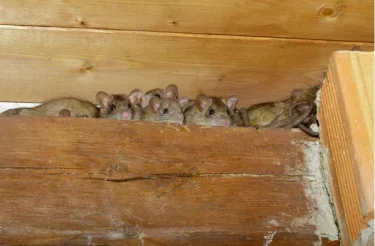
An attic can look quiet and still be contaminated. Mice and rats nest in insulation, leave droppings and urine as they travel, shred insulation for nesting material, and gnaw on wiring and wood. Because attics are rarely visited, the contamination can build up for months before anyone notices — often when a smell reaches the rooms below, when insulation work is planned, or when an inspection finds the problem.
Attic rodent cleanup is a separate service from removal. It happens after the rodents are out, and it has one goal: make the attic clean, documented, and ready for whatever comes next. This page covers what attic cleanup includes, how safe cleanup is done, what happens with insulation, how odor and wiring are handled, and what cleanup does not include. Dead mouse or rat removal is available if provided — ask about it when you book, since it is handled as part of a cleanup or removal visit rather than as a standalone promise.
What Attic Rodent Cleanup Covers
Attic rodent cleanup has three parts: removal of contamination, sanitation of surfaces, and documentation. Contamination includes droppings, urine-soaked insulation and nesting material, food debris, and nesting debris. These are removed by hand and with tools suited to attic work, bagged, and disposed of. Surfaces that can be cleaned — joists, beams, decking, and accessible duct exteriors — are then treated with a disinfectant appropriate for the surface. The work is photographed before, during, and after, so you can see what was removed and what the attic looked like when the crew left.
Cleanup also includes a check of the conditions rodents leave behind. The crew notes chewed wiring, damaged duct insulation, compressed or missing insulation, and entry points in the attic such as gaps at soffits, vents, and rooflines. Those findings are written up for you. Cleanup does not repair wiring or replace insulation — those are separate trades — but the findings give you a clear list to hand to an electrician or insulation contractor.
- Removal of droppings, urine-soaked insulation, nesting material, and debris
- Disinfection of accessible attic surfaces with an appropriate disinfectant
- Photo documentation before, during, and after the work
- Written findings on wiring, duct, insulation, and entry points
- Bagging and disposal of removed contamination
Safe Cleanup: PPE, Ventilation, and the Dry-Cleanup Rule
Safe cleanup starts with what not to do. Do not sweep or vacuum rodent droppings, in the attic or anywhere else. Dry sweeping and vacuuming can stir dust into the air, and the U.S. Centers for Disease Control and Prevention warns against it. The safe method is to ventilate the space, wet the droppings and contaminated material with a disinfectant, let it soak, and then pick it up with gloves and bag it for disposal. That rule applies to homeowners doing a small cleanup as well as to crews doing a full attic job.
Professional attic cleanup adds protective equipment and method. Crews wear gloves, eye protection, and respiratory protection suited to dusty attic work, plus coveralls that keep contamination off clothing. The attic is ventilated where possible, and waste is bagged and sealed before it leaves the attic so it is not tracked through the living space. Workers avoid stirring dust, work in sections, and clean tools and equipment before they leave. This is general information, not medical advice: if you have health concerns about exposure, talk to your clinician.
Rodent-Contaminated Insulation: Remove, Keep, or Replace?
Insulation is often the hardest-hit material in an attic. Mice and rats tunnel through it, shred it for nests, and contaminate it with droppings and urine. Contaminated insulation loses effectiveness, holds odor, and keeps allergen material in the house even after the rodents are gone. University extension guidance notes that rodent allergens can remain active for months, which is one reason cleanup matters even when the animals have left.
Whether insulation is removed or kept depends on what the inspection finds. Insulation that is heavily soiled, matted, or urine-soaked is removed as part of the cleanup. Insulation with only light surface droppings in a limited area may be spot-cleaned, with the affected material removed and the surrounding surfaces disinfected. Full re-insulation is a separate job done by an insulation contractor after cleanup, and the cleanup findings note where insulation was removed so the contractor can price the replacement accurately. Cleanup does not include installing new insulation.
Odor, Wiring, and Damage Checks in the Attic
Odor is usually the first thing homeowners notice, and it has more than one source. Urine-soaked insulation and nesting material hold a stale, musty smell, and a dead animal in a wall void or attic corner can produce a strong, localized odor. Removing the contaminated material and disinfecting surfaces addresses the first source. For a dead animal, removal is available if provided — ask about it when you book — and the crew will check the likely spots, including wall voids accessible from the attic, soffit areas, and corners where animals nest.
Wiring deserves a careful look. Rodents gnaw on wire insulation, and damaged wiring in an attic is a fire risk as well as a repair cost. The provider photographs any gnawed wiring found and flags it in the findings, but does not repair wiring. A qualified electrician should inspect and repair any damaged circuits before new insulation goes in. The same applies to ductwork: chewed or compressed duct insulation is noted, and duct repair belongs to an HVAC contractor.
How the Work Is Typically Sequenced
- Inspect
A provider inspects the attic where access allows, photograph contamination, nesting, wiring, and entry points, and confirm the rodents are out before cleanup begins. - Plan
Ask the provider for a written plan and a quote covering the cleanup scope, what will be removed, and what will be reported to other trades. - Remove contamination
Droppings, soiled insulation, nesting material, and debris are wetted, bagged, and removed without dry sweeping or vacuuming. - Sanitize
Accessible surfaces are treated with an appropriate disinfectant, and waste is sealed before it leaves the attic. - Report
Ask the provider for before-and-after photos and written findings on wiring, duct, insulation, and entry points.
See how the 6-step process works, what happens on each visit, and what to prepare.
What a Provider Typically Includes — and What Is Typically Not Included
Typically Included
- Attic inspection where access allows, with photo documentation
- Removal of droppings, soiled insulation, nesting material, and debris
- Disinfection of accessible attic surfaces
- Before-and-after photos and written findings
- Entry-point findings with a sealing recommendation
Typically Not Included
- Trapping and removal of live rodents (done first, as a separate service)
- Installation of new insulation or re-insulation work
- Repair of wiring, ductwork, drywall, or structural damage
- Sealing of entry points, unless included in the written plan (see rodent exclusion)
Dead mouse or rat removal is available if provided — ask about it when you book. It is handled as part of a cleanup or removal visit, not as a standalone service.
How Do I Clean Up Mouse Droppings in the Attic?
Do not sweep or vacuum them. Ventilate the attic if you can, wear gloves and respiratory protection, wet the droppings with a disinfectant, let it soak, and pick the material up and bag it. For more than a small area, or for urine-soaked insulation, a professional cleanup is the safer option, because the crew has the equipment and method to remove contamination without spreading dust through the house.
Can I Just Leave Old Droppings in the Attic?
Old droppings are still worth removing. They hold odor, they keep allergen material in the house, and they make it hard to tell whether activity is new or old. After cleanup, fresh droppings mean fresh activity, which makes monitoring straightforward. Leaving old contamination also means insulation work or repairs later will disturb it.
Do You Remove Dead Mice or Rats?
Dead mouse or rat removal is available if provided — ask about it when you book. It is handled as part of a cleanup or removal visit, and the crew checks likely spots including attic corners, soffit areas, and wall voids accessible from the attic. Removed animals are handled with gloves and bagged for disposal.
Frequently Asked Questions
What is included in attic rodent cleanup?
Removal of droppings, soiled insulation, nesting material, and debris; disinfection of accessible surfaces; before-and-after photos; and written findings on wiring, duct, insulation, and entry points.
Does attic cleanup include removing live rodents?
No. Cleanup starts after the rodents are out. Trapping and removal are a separate service done first, and cleanup is scheduled once activity has stopped.
Does the provider replace insulation after attic cleanup?
No. Cleanup removes contaminated insulation and reports what was removed. Installing new insulation is done by an insulation contractor after cleanup, using the cleanup findings to price the replacement.
Is it safe to clean mouse droppings myself?
For a very small area, follow CDC guidance: ventilate, wet with disinfectant, wear gloves, and bag the waste. Do not sweep or vacuum droppings. For larger areas or urine-soaked insulation, professional cleanup is the safer option.
Related Services
- Rat Removal in Scranton, PA
- Mice Removal in Scranton, PA
- Rodent Exclusion in Scranton, PA
- Basement & Crawl Space Rodents in Scranton, PA
Not Sure Where to Start? Call for Today’s Availability
Call (570) 555-0140 or request a callback. You will get a photo-documented inspection, a written plan, and a quote before any work begins.