Rodent Exclusion in Scranton, PA
Rodent exclusion means finding every gap mice and rats use to get in, and sealing it with materials they cannot chew through. It is the step that turns a one-time removal into a home that stays rodent-free. Call for today’s availability.
- Inspection-first
- Exclusion-first
- Photo-documented
- Pet- and child-conscious process
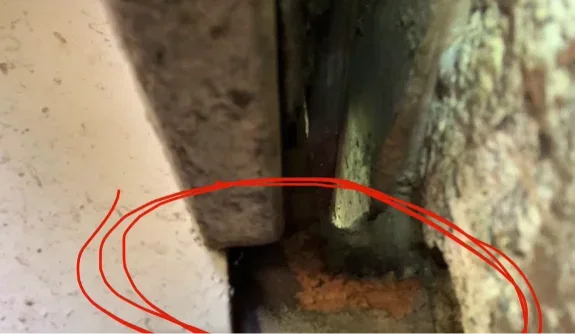
Most rodent jobs fail at the same step: nobody closes the gaps. Traps catch the mice that are inside, poison kills a few more, and then new rodents follow the same scent trails through the same holes. A week later, the scratching is back. Rodent exclusion is the work that breaks that cycle. It is the systematic sealing of entry points — foundation cracks, pipe penetrations, door and garage gaps, attic vents, and rooflines — so that rodents outside stay outside.
Rodent proofing is not the same as general removal. Removal deals with the animals already inside. Exclusion deals with the building. This page covers exclusion on its own: what it includes, which materials and methods are used, which gaps can and cannot be sealed, and when sealing has to wait until animals are out. If you already have active mice or rats inside, read this alongside the mice removal and rat removal pages, because the two services are usually done in sequence.
What Rodent Exclusion Is — and What It Is Not
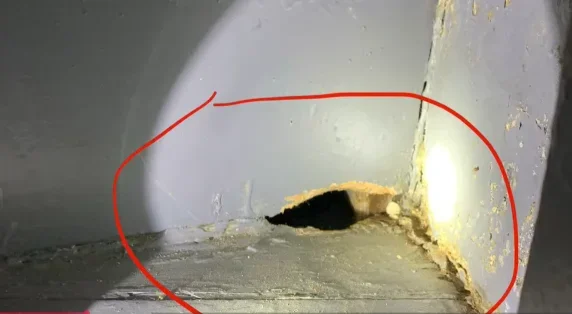
Rodent exclusion, sometimes called rodent proofing or mouse proofing, is the physical work of closing entry points so rodents cannot enter a building. It starts with a full inspection of the exterior from ground to roofline, plus the basement, attic, and garage, and it ends with a written list of what was sealed, with photos. Every gap is matched to a material that fits it: a crack in a foundation gets a different treatment than a gap around a pipe or a torn attic vent screen.
Exclusion is not spraying, and it is not scattering poison. No chemical keeps a mouse out of a hole. Exclusion is also not a single product. Foam alone does not count: mice and rats can chew through expanding foam, so foam is only ever used as a backing or sealant behind a chew-resistant material. A real exclusion job is a set of small, durable repairs, each chosen for its location, and each documented so you can see what was done.
Entry-Point Inspection: Where a Provider Looks
A rodent exclusion inspection is a slow walk around the whole building, inside and out. Outside, a provider checks the foundation for cracks and mortar gaps, the joint where the sill plate meets the foundation, every pipe, conduit, and cable penetration, basement windows and window wells, bulkhead and garage doors, dryer and exhaust vents, and the roofline, soffits, and attic vents. Inside, a provider checks the basement or crawl space, the attic where access allows, the garage, and the rooms where signs appeared, because droppings and rub marks show which gaps are actually in use.
The inspection also looks at conditions that keep rodents near the building: woodpiles against the house, overgrown foundation plantings, garbage bins with loose lids, and gaps under sheds and decks. Those are not sealed, but they are noted, because a sealed house next to a woodpile full of nesting rodents will be tested more often. Ask the provider for the findings as a written, photo-documented list before any sealing begins.
- Foundation cracks, mortar gaps, and sill-plate joints
- Pipe, conduit, cable, and utility penetrations through walls and foundations
- Basement windows, window wells, bulkhead doors, and garage-door seals
- Dryer vents, exhaust vents, and attic vent screens
- Soffits, rooflines, chimneys, and gaps where additions meet the main house
- Gaps under decks, porches, sheds, and steps
Materials and Methods: What Seals a Gap for Good
The material has to match the gap, because a mouse can chew through almost anything soft, and a rat can chew through more. Small gaps around pipes and wires are sealed with a combination of copper or stainless-steel mesh packed into the opening and a sealant over it. Larger openings get hardware cloth — galvanized steel mesh with openings too small for a mouse — cut to size and fastened with screws, not just pressed into place. Foundation cracks are filled with mortar or a masonry-appropriate sealant, depending on size and location.
Door and garage gaps are handled with door sweeps, weatherstripping, and garage-door seals that close the bottom and side gaps rodents walk through. Attic and exhaust vents get metal screening with openings small enough to block rodents while still allowing airflow; blocking a vent entirely is never the answer, because a building needs to breathe. Gaps at rooflines and soffits are closed with metal flashing. Every repair is photographed, and the photos of the findings show you exactly what was sealed and with what.
- Copper or stainless-steel mesh plus sealant for small pipe and wire gaps
- Galvanized hardware cloth, screwed in place, for larger openings
- Mortar or masonry sealant for foundation cracks
- Door sweeps, weatherstripping, and garage-door seals for door gaps
- Metal vent screening that blocks rodents without blocking airflow
- Metal flashing for roofline, soffit, and chimney gaps
What Is NOT Sealed — and Why Sealing Sometimes Has to Wait
Not every gap is sealed on the first visit, and that is deliberate. If rodents are still active inside, sealing every exit before removal can trap animals indoors, where they die in wall voids or chew new exits. The correct sequence is inspection, then trapping and removal, then sealing, then monitoring. If your home has an active infestation, the exclusion work is scheduled after the animals inside are out, and the plan will say so plainly.
Some openings are never sealed because the building needs them: dryer vents, furnace and water-heater exhausts, plumbing vents, and attic ventilation. Those get screens or guards that block rodents while letting air and exhaust through, not plugs. A provider also does not seal gaps on a property you do not control, such as a neighboring unit’s wall, without that owner’s agreement. And a provider should not hide damage: if a gap is caused by rot, a broken vent, or a structural problem, the findings say so, and that repair may belong to a contractor rather than an exclusion job.
How the Work Is Typically Sequenced
- Inspect
Full exterior, basement, attic, and garage inspection, with every gap photographed and listed, including gaps that are in active use. - Plan
Written exclusion plan and quote listing each gap, the material for it, and whether sealing waits until animals inside are removed. - Remove first, if needed
If rodents are active inside, trapping and removal come before sealing, so animals are not trapped indoors. - Seal
Each gap is sealed with the matched material: mesh and sealant, hardware cloth, mortar, sweeps, screening, or flashing. - Verify
A follow-up check looks for fresh signs, confirms sealed points are holding, and notes any new gaps to address.
See how the 6-step process works, what happens on each visit, and what to prepare.
What a Provider Typically Includes — and What Is Typically Not Included
Typically Included
- Full entry-point inspection of the exterior, basement, attic, and garage
- Written, photo-documented list of every gap found, with the sealing material for each
- Sealing of identified entry points with chew-resistant materials
- Vent screening and guards that block rodents without blocking airflow
- Follow-up check that sealed points are holding
Typically Not Included
- Trapping and removal of rodents already inside (a separate service, done first if needed)
- Cleanup of droppings or contaminated insulation (see attic rodent cleanup)
- Repairs to rot, structural damage, broken vents, or plumbing found during inspection
- Sealing of gaps on a neighboring property you do not control
Exclusion and removal are often done as a sequence: removal first, then sealing. If your home has active rodents inside, the plan will schedule the two in that order.
How Do I Seal Holes to Keep Mice Out?
Start by finding every gap, not just the one you noticed. Walk the foundation, check pipe and wire penetrations, door sweeps, garage seals, and attic vents. Small gaps get steel or copper mesh packed in and sealed; larger openings get hardware cloth screwed in place; foundation cracks get mortar or masonry sealant. Never seal with foam alone, and never seal every exit while mice are still inside. If the job is large or the gaps are hard to reach, an inspection-first exclusion service does the full survey and the sealing in sequence.
Does Rodent Proofing Work for Rats Too?
Yes, with materials sized for rats. Rats are stronger chewers than mice and need a half-inch gap, so rat exclusion uses heavier hardware cloth, metal flashing, and mortar, and it pays special attention to burrows, sewer connections, and ground-level gaps. The inspection identifies which species is present so the materials match the animal.
Frequently Asked Questions
What is rodent exclusion?
Rodent exclusion is the sealing of entry points so mice and rats cannot enter a building. It starts with a full inspection, then closes each gap with chew-resistant materials such as mesh, hardware cloth, mortar, sweeps, and flashing.
Can I seal entry points while mice are still inside?
No, not all of them. Sealing every exit before removal can trap animals indoors. The correct sequence is inspection, then trapping and removal, then sealing, then monitoring.
What materials are used for rodent exclusion?
Copper or stainless-steel mesh with sealant for small gaps, galvanized hardware cloth for larger openings, mortar or masonry sealant for foundation cracks, door sweeps and weatherstripping for doors, metal screening for vents, and metal flashing for rooflines.
Does exclusion include trapping?
Exclusion and trapping are separate services done in sequence. If rodents are active inside, trapping and removal come first, and sealing follows once the animals inside are out.
Related Services
- Rat Removal in Scranton, PA
- Mice Removal in Scranton, PA
- Attic Rodent Cleanup in Scranton, PA
- Basement & Crawl Space Rodents in Scranton, PA
Not Sure Where to Start? Call for Today’s Availability
Call (570) 555-0140 or request a callback. You will get a photo-documented inspection, a written plan, and a quote before any work begins.