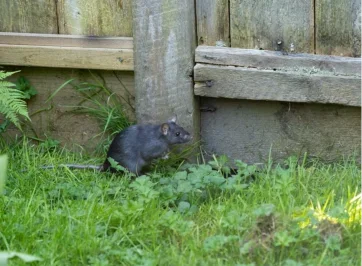
Rat Removal in Scranton
Norway and roof rats in basements, burrows, wall voids, and attics. Trapping, removal, and entry-point work for larger, cautious rodents.
 +
+Rodent control in Scranton, PA
Mice and rats get into Scranton homes through gaps as small as a dime. We work inspection-first and exclusion-first: find how they get in, trap and remove them, seal the gaps, clean safely, and monitor for new activity.
Call for today’s availability. Photo report and written quote before work begins.
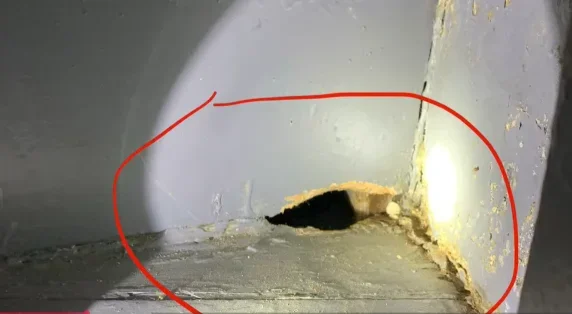
If you are looking for a rodent control company in Scranton, PA, start with the inspection. In Scranton that usually means a walk around the foundation, a look at pipes and vents, a check of the garage door seal, and a look in the basement and attic. We provide local rodent control in Scranton, PA for homes and businesses: residential rodent control for houses, doubles, and row homes, and rodent control service for commercial buildings that need scheduled monitoring and written records.
Professional rodent control in Scranton, PA is not a single visit with traps. It is a sequence. Trapping without sealing leaves the same gaps open for the next rodents. Sealing without trapping can leave animals inside to die in voids or chew new exits. We explain each step below so you can ask for written scope before work begins. Whether you call it rodent control in Scranton PA, rodent control Scranton Pennsylvania, or simply mice and rat control, the sequence is the same.
Every job starts with an inspection: photos of entry points and signs, written findings, and a quote before work begins. No work starts without your approval.
Book an inspection Inspection fee policy
The inspection fee policy is explained on the cost page.
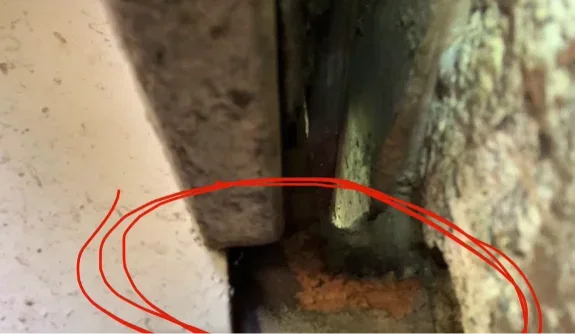
Norway and roof rats in basements, burrows, wall voids, and attics. Trapping, removal, and entry-point work for larger, cautious rodents.
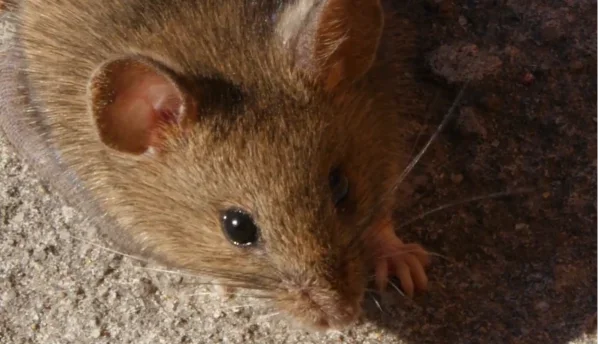
House mice in kitchens, pantries, wall voids, and attics. Trapping and sealing for fast-breeding populations that contaminate surfaces as they travel.
Sealing entry points with steel, mesh, and durable materials after animals are out. The step that keeps new rodents from replacing trapped ones.
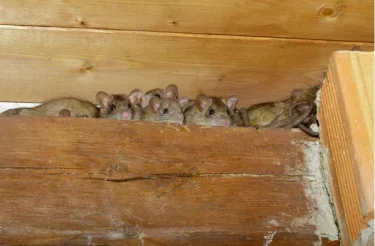
Droppings, urine, nesting material, and contaminated insulation removed and sanitized after removal, with a wiring check noted for follow-up.
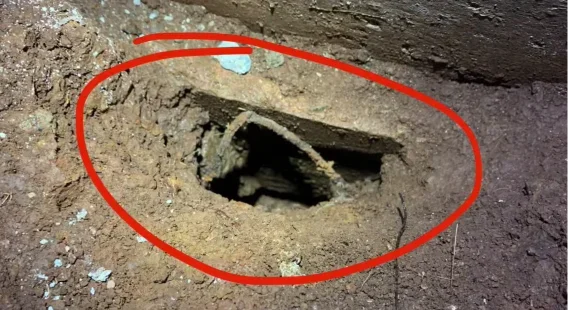
Foundation cracks, sump areas, sill plates, utility penetrations, and moisture zones in older Scranton basements and crawl spaces.
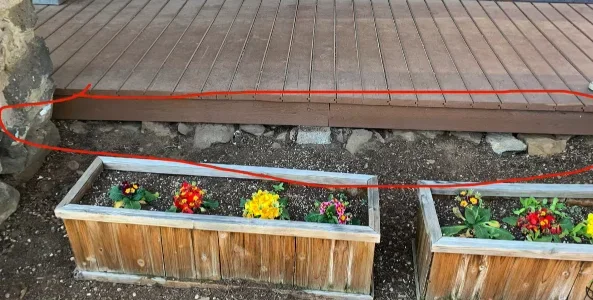
Restaurants, warehouses, offices, multi-unit buildings, and food facilities that need scheduled monitoring and written documentation.
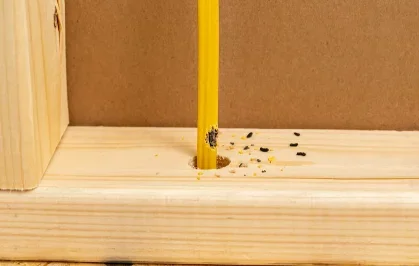
Price drivers, what an inspection covers, and what a written quote should include. The cost page is the only page with price ranges.
Residents usually notice droppings first, then scratching in walls or ceilings at night, a musty or ammonia-like smell in cupboards or behind appliances, chewed food packaging, gnaw marks on wood or cardboard, and nesting material made from shredded paper, fabric, or insulation. Grease rub marks along walls and floorboards, tracks in dust, and burrow openings near a foundation point toward rats. A mouse seen in daylight, droppings in more than one room, or noises in more than one void often points to a larger population rather than a single animal. Pets staring at walls, barking at kick-plates, or chasing mice are another early signal.
The U.S. Environmental Protection Agency notes that you may never see a mouse or rat unless an infestation is severe. Signs matter more than sightings. If you see several of the signs above, an inspection is the next step, not another box of traps.
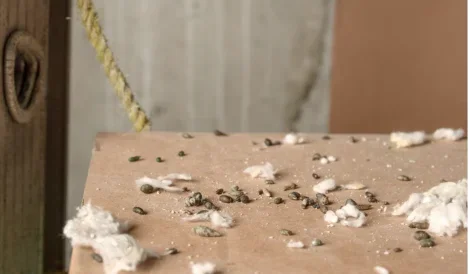
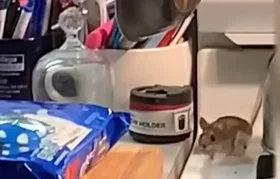
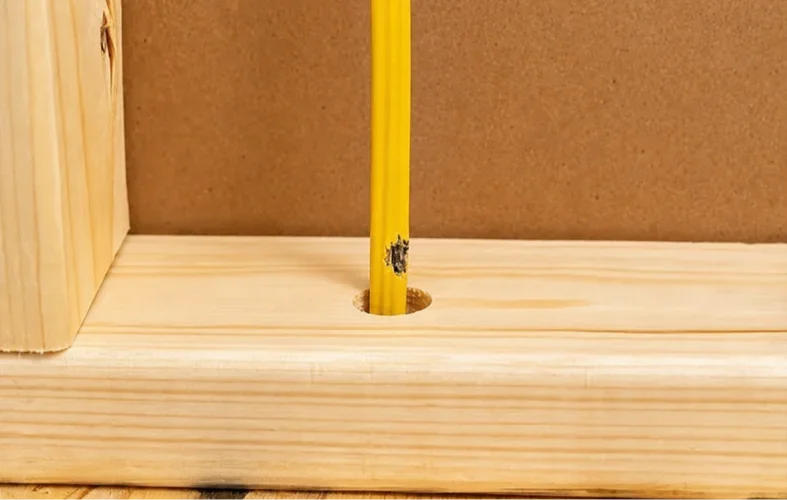
Much of Scranton’s housing was built before 1970, including single-family homes, doubles, and row homes with basements, stone foundations, old utility chases, attics, and shared walls. Those features mean many small, hard-to-find entry points: foundation cracks, gaps around pipes and conduits, dryer vents, garage-door seals, door sweeps, attic and soffit gaps, and chimney and vent screens. Sealing one unit in a double or row home helps, but a building-wide or block-level problem may need landlord or neighbor coordination.
Cold fall and winter weather drives mice and rats indoors as outdoor food and shelter shrink. First frost in the Scranton area typically arrives around mid-October, and the October to November ingress period is when scratching-at-night calls rise. Everyday attractants add pressure: bird-feeder spillage, pet food left out, garbage in loose-lidded bins, compost, firewood stacked against a house, and cluttered basements and attics. Vacant or neglected neighboring properties, garages, sheds, and woodpiles are harborage a single household cannot fully control alone.
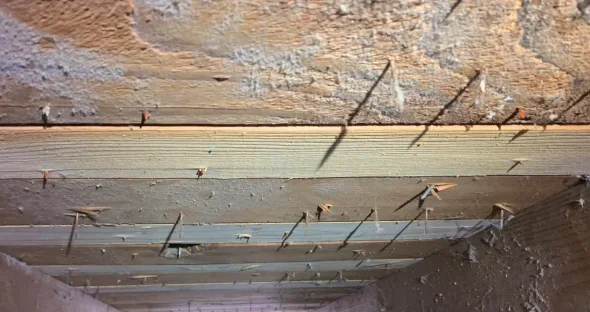
Sealing without trapping can leave animals inside to die in voids or chew new exits. Poison without removal and sealing can leave a dead animal in a wall and allow re-entry. The sequence is part of the written scope.
Every approach below has a place. The comparison is meant to help you ask for written scope: what is inspected, what is trapped, what is sealed, what is cleaned, and what follow-up is included.
Process: Inspect, trap and remove, seal, clean safely, monitor.
Scope: Whole home, including attic, basement, and roofline, with photo-documented findings.
Follow-up: Scheduled visits to check sealing and activity.
Process: Traps placed where activity is seen.
Scope: Animals present at the time of the visit.
Follow-up: Depends on the provider. Without sealing, activity often returns through the same gaps.
Process: Bait placed in stations.
Scope: Reduces a population, but does not close entry points or remove animals from voids.
Follow-up: Dead animals may remain in voids, re-entry stays possible, and secondary exposure to pets and wildlife must be discussed in writing.
Process: Store traps or bait, plus sealing one visible gap.
Scope: A small, early problem with activity in one area.
Follow-up: The homeowner checks traps. Call a professional if droppings appear in more than one room, noises come from more than one void, or activity returns after sealing a gap.
Rodent jobs in Scranton follow the same sequence — inspect, trap and remove, seal, clean, monitor — but the entry points and the housing are different every time. Here is how that sequence plays out across the housing types we see most.
Situation: Droppings in kitchen drawers and along baseboards, scratching at night in a shared wall, and gaps around pipes where they pass through basement walls.
Approach: Full inspection with photos, trapping along runs, sealing of pipe and foundation gaps after removal, and cleanup guidance for droppings.
Outcome: Follow-up visits found no new droppings, and the scratching in the shared wall stopped.
Situation: Larger droppings near the basement floor, rub marks along walls, and burrowing near the foundation outside.
Approach: Basement and exterior inspection, trapping along runs and near burrows, and sealing of foundation, sill, and utility gaps after removal.
Outcome: Rechecks found no new burrow activity and no new gaps at the foundation.
Situation: Scratching in the attic at night, nesting material in insulation, droppings along beams, and a stale smell in rooms below.
Approach: Attic inspection, removal, sealing of roofline and vent gaps, and cleanup of droppings and contaminated insulation, with wiring noted for an electrician’s check.
Outcome: Follow-up checks found no new nesting in the attic, and the stale smell in the rooms below cleared.
Every job ends with the same question: would you call us again? Here is the kind of feedback we hear from homes and businesses across Scranton.
“They found entry points we had walked past for years, showed us photos of each one, and sealed them once the mice were out. The scratching stopped, and the follow-up visits kept it that way.”
— Scranton Homeowner
“The inspection came first, with a written plan and a quote before any work started. No surprises, no pressure — just a clear sequence and a house that feels like ours again.”
— Dunmore Homeowner
“They worked around our kitchen hours, kept records we could show at inspection, and set up monitoring visits. Discreet, documented, and easy to schedule around.”
— Restaurant Manager, Scranton
Rodent control near Scranton, PA includes the Lackawanna Valley towns below. Each town has its own page with local detail. Among rodent control providers in Scranton, PA, we serve homes and businesses across the city and the valley, including rodent control in Scranton Pennsylvania and the towns listed below.
Droppings, noise timing, and nesting tell you what is in the walls or attic — and why the fix differs.
Wrong placement, open entry points, and food left out are the usual reasons traps do not hold.
How rodent bait can reach pets, children, and wildlife second-hand, and what to ask before any bait is placed.
Cost depends on species, severity, entry-point count, attic or basement access, cleanup needs, and follow-up visits.
A written quote after inspection is the only way to give an accurate figure for your home. The cost page explains each driver and what a written quote should include. See what affects rodent control cost in Scranton.
Reduction in activity often takes days to weeks, with at least one follow-up visit.
Trapping alone can reduce visible activity quickly, but lasting control depends on sealing entry points and checking for new activity. A provider should state the visit schedule, what is checked at each visit, and when to call back.
Poison is decided case by case. Placement, station type, and pet and child routines are discussed in writing before any bait is placed.
Tamper-resistant stations, placement away from pet and child areas, and secondary-exposure risks for pets and wildlife should be covered in writing. If your household has pets or small children, say so at booking so the plan reflects it. Read the poison, pets, and secondary-exposure guide.
Traps fail when entry points stay open, bait or placement is wrong, or food and harborage remain. New rodents replace trapped ones until gaps are sealed.
In doubles and row homes, a shared wall or a neighboring gap can re-seed activity. Sealing, monitoring, and fixing new gaps after winter or storms are what keep activity from returning. Read why traps keep failing.
Follow-up terms are not published on this site yet. Ask for the visit schedule, what is checked at each visit, and the re-service terms in writing before work begins.
A written scope should state how many follow-up visits are included, what triggers an extra visit, and what is excluded. Do not rely on verbal promises about return visits.
Look for droppings, gnaw marks, rub marks, nesting material, scratching at night, and a stale or ammonia-like smell. Mouse droppings are smaller than rat droppings, and rats leave stronger rub marks and burrow signs.
A ground-to-roof review of the foundation, sill, pipes, vents, garage, doors, basement, attic, and roofline, with photos of entry points and signs, written findings, and a quote before work begins. The inspection fee policy is explained on the cost page.
Poison is decided case by case, and placement, station type, and pet and child routines are discussed in writing before any bait is placed.
They can return if entry points stay open or new gaps appear. That is why inspection, trapping and removal, sealing, cleanup, and monitoring are sequenced together.
Pennsylvania leases generally place responsibility for pre-existing or structural infestations on the landlord, while tenant-caused conditions can shift responsibility. This is general information, not legal advice.
Dead-animal removal from wall voids, attics, and basements is part of rodent work when it is offered for a job. The smell, how the animal is located, and who handles each situation are explained in the dead-animal guide.
We focus on rodent control. Ask when you call whether other pests are handled.
Describe what you are seeing — droppings, scratching at night, a mouse in the kitchen, or a smell in a wall — and we will explain the next step and what an inspection covers.