Rodent control in Hill Section, Scranton PA — inspection first, exclusion first
Rodent Control in Hill Section, Scranton PA
The Hill Section is one of Scranton's older neighborhoods of larger homes, where big attics, deep basements, and hillside grading give rodents more entry points and more nesting space than a small house offers. This page covers rodent control in Hill Section, Scranton PA — rodent removal, rat exterminator and mouse exterminator service, and rodent exclusion — for the Hill Section's larger older homes.
Why Hill Section homes are prone to rodents
The Hill Section's older larger homes have more envelope to protect: longer rooflines with more vent and soffit area, larger attics with more insulation to nest in, and basements that often sit partly below grade on the downhill side. Hillside grading matters. On a slope, water runs toward the downhill foundation, and damp basement corners, sump areas, and soil that stays soft near the wall suit burrowing and make foundation gaps easier to open. A mouse fits through a gap about the size of a dime; a rat needs one about the size of a quarter. In the Hill Section, those gaps most often appear at the sill plate, around basement pipes and conduits, at basement windows, and at attic vents and roofline joints. Fall brings the seasonal push, as outdoor food and shelter shrink in October and November and rodents move toward warmth, stored food, and nesting material indoors. Attics in larger homes can host activity for weeks before anyone hears it.
Where to look first in a Hill Section home
Basement & Foundation
Then check the basement, especially the downhill side — sill plate, foundation cracks, sump area, pipe and conduit penetrations, and basement windows — for droppings, gnaw marks, rub marks, or daylight. Keep gutters and downspouts moving water away from the foundation, and move firewood and bins away from the wall.
Kitchen & Living Areas
In the kitchen, inspect drawers, the pantry, under the sink, and behind appliances for droppings and chewed packaging.
Attic & Roofline
Start in the attic: check insulation for droppings and nesting material, look along beams, and watch for daylight around vents, soffits, and roofline joints.
Garage, Exterior & Shared Walls
Outside, walk the foundation on both the uphill and downhill sides for burrow holes, gaps where pipes enter, and drainage that dumps water against the wall. If droppings appear in more than one room, or scratching comes from more than one void, treat it as an established population and get the whole envelope inspected.
How the work is sequenced
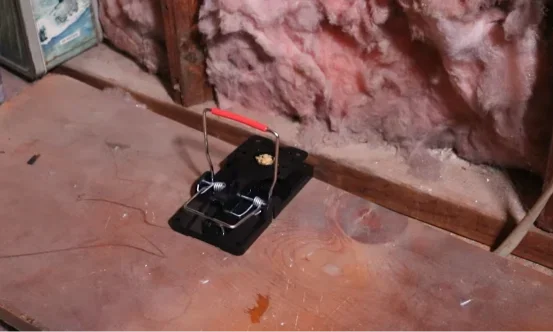
Every job follows the same order: inspect for signs and entry points, with photos of what was found; trap and remove the active rodents; seal entry points with durable materials once animals are out; clean up safely where droppings or nesting material are present, using ventilation, wet disinfectant, gloves, and bagging — never dry sweeping or vacuuming droppings; and monitor with follow-up visits. Trapping without sealing leaves the same gaps for the next rodents.
See how the 6-step process works, what happens on each visit, and what to prepare.
Related services
For this area, the most relevant services are attic rodent cleanup basement and crawl-space rodents. See the Scranton rodent control homepage and the service areas hub for every town and neighborhood covered.
Health information here is general information, not medical advice. Talk to a clinician about exposure or symptoms.
Frequently asked questions
How soon can someone come out to a home in Hill Section?
Call for today's availability. Describe what you are seeing — droppings, scratching at night, a mouse in the kitchen — and the provider will tell you the next step and what an inspection covers.
Does hillside drainage affect rodent problems in Hill Section?
Hillside grading can keep soil near the downhill foundation damp, which suits burrowing and can widen foundation gaps over time. Moving downspout water away from the foundation and keeping the downhill wall inspected are part of prevention, alongside sealing the gaps themselves.
Does the provider use poison, and is it safe around kids and pets in Hill Section?
Poison use is decided case by case, and placement, station type, and pet and child routines are discussed before any bait is placed. Tamper-resistant stations, placement away from pet and child areas, and secondary-exposure risks for pets and wildlife are covered in writing. Tell the provider when you call if the household has pets or small children.
What follow-up is included after treatment in Hill Section?
Follow-up visits check for new activity, new gaps, and whether sealing held. A provider should state the visit schedule, what is checked at each visit, and when to call back if signs return.
Serving nearby areas
Rodent control is also available in nearby areas: Green Ridge East Mountain North Scranton South Scranton. See all service areas for every town and Scranton neighborhood covered.
Call for today’s availability
Describe what you are seeing — droppings, scratching at night, a mouse in the kitchen, or a smell in a wall — and the provider will explain the next step and what an inspection covers.