Rat Removal in Scranton, PA
Rats in the walls, attic, or basement are not a problem that fixes itself. Rat removal in Scranton, PA starts with an inspection. A local provider removes the rats that are inside and seals the entry points so new rats cannot follow them in. Call for today’s availability.
- Inspection-first
- Exclusion-first
- Photo-documented
- Pet- and child-conscious process
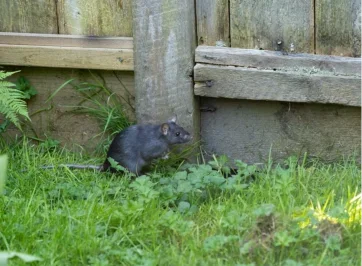
Finding a rat in your home is unsettling, and it is more common in Scranton than many people expect. Older housing, basements, stone foundations, and shared walls in doubles and row homes give rats sheltered routes indoors, especially once cold weather sets in and outdoor food becomes scarce.
Professional rat removal in Scranton, PA is different from setting a trap or two and hoping that holds. Rats learn fast. They avoid new objects, change routes, and can abandon a baited trap after one bad experience — a pattern often called trap-shyness. That is why a provider's approach pairs trapping with a careful inspection of entry points, burrows, and runways, followed by exclusion work that closes the gaps rats used to get in. Removing rats without sealing, or sealing without removing the rats inside, both tend to fail.
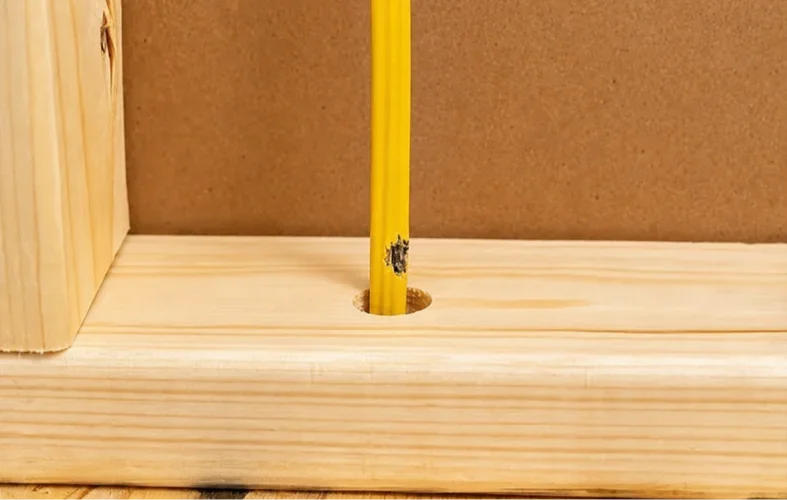
Signs You May Have Rats, Not Mice
Rats and mice leave different evidence, and telling them apart matters because the control plan changes. Rat droppings are larger — roughly the size of a raisin, blunt-ended, and often found in groups along runways. Mouse droppings are much smaller, like grains of rice. Rats also leave dark grease rub marks where their bodies repeatedly brush along walls, floorboards, and pipe runs, and their gnaw marks are bigger and deeper than a mouse’s.
Listen for the sounds too. Rats are heavier, so nighttime movement in a ceiling or wall often sounds like scurrying with weight behind it rather than the light, quick patter of mice. You may also notice a musky, stale odor in enclosed spaces, burrow holes in soil near the foundation, or food packaging torn open rather than nibbled. If you see a rat during the daytime, take it seriously: rats prefer to move at night, so daytime activity can mean a larger population competing for food and space.
- Larger, blunt-ended droppings along walls, in basements, and near food storage
- Grease rub marks on walls, pipes, and along regular travel routes
- Burrow holes in soil near foundations, sheds, garages, and woodpiles
- Gnawed wood, pipes, wiring, and food packaging with larger tooth marks
- A live rat seen in daylight, or pets fixated on a wall or basement corner
Norway Rats and Roof Rats: Why the Species Matters
Two rat species show up around Pennsylvania homes: Norway rats and roof rats. Norway rats, also called brown rats, are burrowers. They live low — in basements, crawl spaces, ground-floor voids, sewers, and burrows dug into soil along foundations. They are stocky, with blunt noses, and they are strong swimmers that can travel through sewer and drain lines. When a Scranton home has rats in the basement, Norway rats are the usual suspect.
Roof rats, also called black rats, are climbers. They favor higher ground: attics, roof voids, soffits, and upper wall voids, and they reach those spots along tree limbs, vines, utility lines, and rooflines. They are slimmer than Norway rats, with pointed noses and longer tails. Knowing which species is present changes where traps go, which entry points get priority, and whether the inspection should focus on the basement and sewer connections or on the roofline and attic. During the inspection, the provider identifies the species from droppings, tracks, rub marks, and nesting evidence before setting a plan.
Rats in Scranton’s Older Homes
Scranton’s housing stock shapes the rat problem. A large share of city homes were built before 1970, many before 1939, with basements, stone foundations, and old utility chases that have been patched, re-patched, and opened again over decades of repairs. Each penetration — a gas line, a sewer lateral, a water line, an old coal chute, a dryer vent — is a possible entry point, and rats only need a gap about half an inch wide, roughly the size of a quarter, to get through.
Doubles and row homes add a shared-wall factor. A rat that enters through a neighbor’s gap can travel through connected wall voids and basements, which is why a single-unit fix sometimes falls short and why building-wide attention to entry points matters. Vacant or neglected properties nearby, garages, sheds, woodpiles, and loose-lidded garbage bins provide harborage and food that keep a local rat population going. A provider's inspection looks at the building and its surroundings, not just the room where you saw the rat.
- Pre-1970 homes: many small gaps from decades of utility work and settling
- Basements and stone foundations: cracks, mortar gaps, and sill-plate openings
- Shared walls in doubles and row homes: activity can travel between units
- Sewer and drain connections: a common Norway rat route into basements
- Yards and outbuildings: woodpiles, sheds, garages, and garbage as harborage
How the Work Is Typically Sequenced
- Inspect
A provider walks the exterior, basement, attic, and rooms with signs, identify the species, and photograph entry points, burrows, runways, and droppings. - Plan
Ask the provider for a written plan and a quote before work begins, including which traps go where and which gaps will be sealed. - Trap and remove
Traps are placed along active runways and near harborage, checked on scheduled follow-ups, and removed animals are handled with gloves and bagged for disposal. - Seal entry points
Once rats inside are removed, gaps are sealed with durable materials such as metal flashing, hardware cloth, and sealant, matched to each opening. - Monitor and follow up
Follow-up visits check trap activity, look for new signs, and confirm that sealed points are holding.
See how the 6-step process works, what happens on each visit, and what to prepare.
What a Provider Typically Includes — and What Is Typically Not Included
Typically Included
- Full inspection of the exterior, basement, attic, and rooms with signs
- Species identification and written, photo-documented findings
- Trap placement along active runways and scheduled trap checks
- Sealing of identified entry points with durable materials
- Written plan and quote before work begins, plus follow-up visits as planned
Typically Not Included
- Cleanup of droppings or contaminated insulation (see attic rodent cleanup)
- Repairs to wiring, plumbing, drywall, or structural damage found during inspection
- Removal of rats from a neighboring property you do not control
- Ongoing monitoring after the planned follow-up visits end, unless a monitoring plan is arranged
If the inspection finds contaminated insulation or heavy droppings in the attic, that cleanup is a separate service. See the attic rodent cleanup page for what that work covers.
How Long Does Rat Removal Take?
Most rat jobs take more than one visit. Trapping usually runs over several days to a couple of weeks, because rats are cautious about new objects and because sealing has to wait until the animals inside are out. A small, contained problem may resolve in two or three visits. A larger population, or a building with many entry points, takes longer and needs more follow-ups. During the first inspection, the provider gives you a realistic schedule based on what is actually found, and adjusts it if trap activity or new signs change the picture.
Can I Just Use Poison for Rats?
Poison is sometimes part of a plan, but it is not a provider's starting point, and it is not a substitute for trapping and sealing. Poisoned rats often die inside wall voids, where they cannot be retrieved, and the odor can linger for weeks. There is also a secondary-poisoning risk: pets, wildlife, or other animals that eat a poisoned rat can be harmed. When rodenticides are used at all, they go in tamper-resistant stations placed with children and pets in mind, and their use is explained to you first. In most homes, trapping plus exclusion solves the problem without those trade-offs.
Will Rats Come Back After Removal?
Rats come back when entry points stay open and food or harborage stays available. That is why sealing matters as much as trapping. After the job, keep garbage in bins with tight lids, store pet food and birdseed in sealed containers, clear woodpiles and debris away from the foundation, and trim branches that touch the roofline. In doubles and row homes, talk with neighbors or the property owner about gaps on their side too, since rats move through connected voids. Follow-up visits catch new activity early, before it becomes a second infestation.
Frequently Asked Questions
How do I know if I have rats or mice?
Rat droppings are larger and blunt-ended, rub marks are darker and more obvious, and nighttime noises sound heavier. Mice leave small, rice-shaped droppings and lighter noises. An inspection confirms the species from droppings, tracks, and nesting evidence.
Does the provider seal entry points as part of rat removal?
Typically, yes. Sealing is part of a provider's plan, and it happens after the rats inside are removed, so animals are not trapped indoors. Entry points are sealed with durable materials and photographed.
Can rats get in through the sewer?
Norway rats can travel through sewer and drain lines into basements. The inspection checks floor drains, sewer connections, and basement penetrations, and sealing plans cover those routes where they are found.
What should I do if I see a rat in my house?
Do not try to corner it. Keep food sealed, keep pets and children away from the room, and note where and when you saw it. Then call for an inspection so the entry point and population can be assessed.
Related Services
- Mice Removal in Scranton, PA
- Rodent Exclusion in Scranton, PA
- Attic Rodent Cleanup in Scranton, PA
- Basement & Crawl Space Rodents in Scranton, PA
Not Sure Where to Start? Call for Today’s Availability
Call (570) 555-0140 or request a callback. You will get a photo-documented inspection, a written plan, and a quote before any work begins.