About
About Rodent Control Scranton PA
A free referral service that connects you with local rodent control providers in Scranton and the Lackawanna Valley. Providers typically follow one sequence: inspect first, trap and remove, seal entry points, clean safely, and monitor.
What This Service Does
This site connects you with local providers who handle mice and rats in homes and businesses across Scranton and nearby Lackawanna Valley towns. Provider work typically covers the full sequence: inspection, trapping and removal, sealing entry points, safe cleanup, and monitoring. Residential work covers houses, doubles, and row homes, including kitchens, basements, crawl spaces, attics, and garages. Commercial work covers restaurants, warehouses, offices, multi-unit buildings, and food facilities that need scheduled monitoring and written documentation. Read about commercial rodent control.
Providers connected through this site do not start with poison and do not start with traps. They start with the inspection, because the inspection is what turns a vague problem — droppings in a drawer, scratching at night — into a written list of entry points, signs, and steps. That list becomes the quote, and no work starts without approval.
Inspection-first
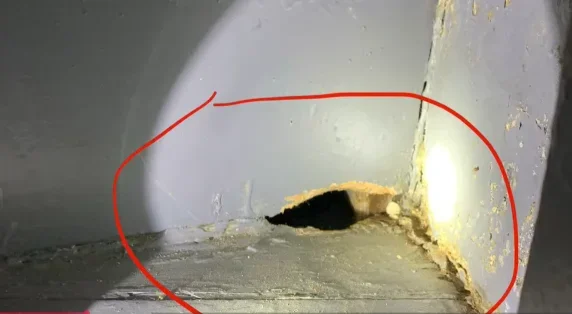
Inspection-first means the first visit is for finding, not fixing. The inspection covers the foundation, sill plate, pipes, conduits, dryer vents, garage-door seals, door sweeps, basement windows, attic and soffit gaps, chimney and vent screens, and the roofline. Inside, it covers kitchens, pantries, basements, crawl spaces, attics, and garages. Signs recorded include droppings, gnaw marks, rub marks, nesting material, tracks, burrow openings, and odor.
What you receive from an inspection is photos of the findings and written findings: each entry point found, the signs behind it, and the recommended sequence. The quote follows the findings, so the price reflects your home rather than a flat menu. Ask the provider about any inspection fee before booking, and ask for a written quote and scope.
What an inspection includes
- Ground-to-roof review: foundation, sill, pipes, vents, garage, doors, basement, attic, roofline
- Signs recorded: droppings, gnaw marks, rub marks, nesting material, tracks, burrows, odor
- Photos of each entry point and sign found
- Written findings with the recommended sequence
- A quote before work begins, with trapping, sealing, cleanup, and monitoring listed
- A note on any gap that cannot be sealed at the first visit, with a reason and a return plan
Exclusion-first
Exclusion-first means sealing is treated as the core of the job, not an add-on. Traps remove the animals present at the time. Sealing is what keeps the next animals out. That order matters in Scranton’s older housing, where a single home can have many small gaps across foundation, pipes, vents, and roofline. Read the full exclusion page for materials and method.
Sealing happens after animals are out. Gaps are never sealed while animals are still inside, because trapped animals can die in voids or chew new exits. Vents a building needs for airflow are screened, not blocked. Any gap that cannot be sealed at the initial visit is listed with a reason and a return plan, not quietly skipped.
What exclusion includes
- A written list of each gap found, with a photo
- Durable materials matched to the gap and surface: steel, hardware cloth, copper mesh, sealant, door sweeps, vent screens
- Gap sizes checked against rodent entry: mice use gaps of about a quarter inch, rats gaps of about half an inch
- Foundation cracks, sill gaps, pipe and conduit gaps, garage seals, door sweeps, basement windows, attic and soffit gaps, vent screens
- Porch, deck, and shed edges where soil meets wood
- Follow-up checks on whether sealing held
Licenses and credentials
Pennsylvania requires pesticide applicators and businesses to be licensed through the Pennsylvania Department of Agriculture (PDA), and businesses that apply pesticides must have certified applicators and meet insurance requirements.
Before any pesticide work begins, ask the provider for its current credentials and written scope, and check them against the PDA. Ask the provider to put the scope in writing before work starts, so you know exactly what is included.
Service area
The core service area is Scranton, including Green Ridge, Hill Section, West Scranton, South Scranton, North Scranton, and East Mountain. Nearby towns served include Dunmore, Taylor, Moosic, Throop, Old Forge, Dickson City, Olyphant, Clarks Summit, Blakely, South Abington Township in Lackawanna County, and Pittston. See the service areas page for the full list and town pages.
How to start
Call to be connected with a local provider and describe what you are seeing. Or request a callback through the contact page with the signs, the rooms affected, and whether pets or children are in the home. The next step is an inspection, and the provider will give a written quote and scope before work begins.
Frequently asked questions
What does an inspection include?
A ground-to-roof review of the foundation, sill, pipes, vents, garage, doors, basement, attic, and roofline, with photos of entry points and signs, written findings, and a quote before work begins.
Does the provider seal entry points, or only set traps?
Typically both. Trapping and removal come first, then sealing with durable materials, then cleanup and monitoring. Sealing is what keeps new rodents from replacing trapped ones.
What credentials should I ask a rodent control provider for in Pennsylvania?
Pennsylvania requires pesticide applicators and businesses to be licensed through the Pennsylvania Department of Agriculture. Ask any provider for its current credentials and written scope before work begins.