Basement & Crawl Space Rodent Control in Scranton, PA
Basements and crawl spaces are where Scranton rodent problems usually start. A local provider inspects the conditions that let mice and rats in, removes the animals that are there, and seals the entry points at the foundation. Call for today’s availability.
- Inspection-first
- Exclusion-first
- Photo-documented
- Pet- and child-conscious process
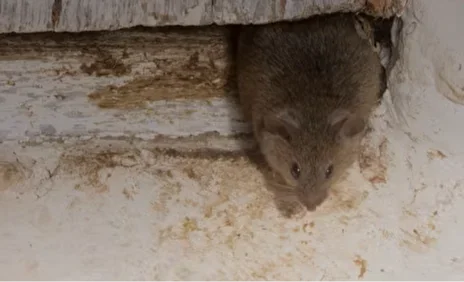
When a homeowner in Scranton finds mice in the kitchen, the mice usually did not start in the kitchen. They started in the basement, the crawl space, or the soil along the foundation, and they traveled up through wall voids along pipes and wires. Basements and crawl spaces are dark, quiet, and rarely visited, which makes them ideal nesting and travel space — and it means activity there can go unnoticed for months.
Basement rodent control is therefore about conditions as much as about animals. This page covers the basement and crawl space conditions that invite rodents in, the inspection checklist a provider typically uses, how mice and rats in basements differ, and how the fix connects to exclusion and to species-specific removal. For the removal methods themselves, see the mice removal and rat removal pages. For sealing, see rodent exclusion.
Why Basements and Crawl Spaces Attract Rodents
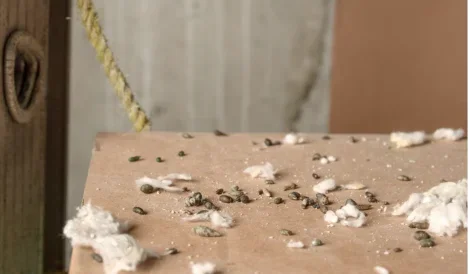
Basements and crawl spaces offer the four things rodents need: shelter, warmth, food nearby, and quiet. A basement holds steady temperatures through winter, and a crawl space stays sheltered from weather. Both are visited rarely, so nesting goes undisturbed. Food is close: pet food stored in the basement, birdseed, garbage, and kitchens one floor up. Water is close too, from sump pits, floor drains, condensation, and plumbing leaks.
Crawl spaces add a further problem: they are hard to inspect. A low, dark crawl space with stored items, old insulation, and limited access can hide droppings, nesting, and entry points for a long time. That is why a basement or crawl space inspection is methodical rather than quick, and why findings are photographed — so you can see what the crew saw without crawling in yourself.
Basement and Crawl Space Conditions That Let Rodents In
The conditions below are the ones that matter most in Scranton homes. They are not a sign of a dirty house; they are the normal wear of older buildings, and they are fixable in most cases. The inspection checks each one and records what it finds.
Foundation cracks are the most common route. Concrete and stone foundations crack and settle over decades, and mortar joints in stone foundations open up. Sill plates — the wood that sits on top of the foundation — can shrink, rot, or pull away, leaving a gap along the top of the wall. Utility penetrations for water, sewer, gas, electric, and cable lines pass through the foundation, and the seals around them age, crack, or were never tight. Sump pits and floor drains connect the basement to soil and sewer lines, which is a particular concern for Norway rats. Basement windows, window wells, and bulkhead doors add more gaps, especially when frames rot or seals wear.
- Foundation cracks and open mortar joints in stone foundations
- Gaps at the sill plate where wood meets the top of the foundation wall
- Utility penetrations: water, sewer, gas, electric, and cable lines through the foundation
- Sump pits, floor drains, and sewer connections
- Basement windows, window wells, and bulkhead doors with worn frames or seals
- Moisture: leaks, condensation, and standing water that attract rodents and soften materials
- Storage and clutter: cardboard, fabric, and stored food that provide nesting and food
- Gaps where additions, porches, or garages meet the main foundation
The Basement Rodent Inspection Checklist
A basement and crawl space inspection follows a checklist so nothing is skipped. The crew starts outside, walking the foundation and noting cracks, burrows, and penetrations, then works inward through the basement or crawl space, the rooms above, and the attic if the trail leads there. Each item below is checked, photographed where a problem is found, and listed in the written report.
- Exterior foundation: cracks, mortar gaps, burrows, and soil against the wall
- Sill plate and rim joist: gaps, rot, and daylight visible from inside
- Utility penetrations: every pipe, conduit, and cable entry, inside and out
- Sump pit, floor drains, and sewer connections
- Basement windows, window wells, and bulkhead doors
- Garage and porch connections to the main foundation
- Droppings, nesting, rub marks, and gnaw marks: location, species clues, and freshness
- Moisture: leaks, condensation, standing water, and damp storage
- Storage: cardboard, fabric, pet food, birdseed, and garbage near entry points
- Attic and upper voids: whether the trail leads upward from the basement
Crawl Space Rodent Removal and Control
Crawl space rodent removal follows the same sequence as the rest of the house: inspect, trap, seal, monitor. The difference is access. A crawl space with low clearance, standing water, or stored items may limit where traps can be placed and where sealing can be done safely. The plan will say plainly what is reachable and what is not, and whether a follow-up visit is needed after stored items are moved or water is addressed.
Crawl space rodent control also means thinking about moisture. Damp crawl spaces attract rodents and soften the wood and seals around entry points. Fixing a leak or improving drainage is not part of rodent control, but the report will flag moisture problems so they can be addressed, because a wet crawl space will keep testing any sealing work. Rodents in a crawl space also travel upward: the inspection checks whether wall voids above the crawl space show droppings or nesting, so the plan covers the whole route, not just the crawl space itself.
How the Work Is Typically Sequenced
- Inspect
A provider inspects the exterior foundation, basement or crawl space, and rooms above, following the checklist and photographing every gap, burrow, and sign. - Plan
Ask the provider for a written plan and a quote covering removal, sealing, and any cleanup or repair referrals. - Trap and remove
Traps are placed along basement and crawl space runways and checked on scheduled follow-ups. - Seal entry points
After the animals inside are out, foundation gaps, penetrations, and basement openings are sealed with durable materials. - Monitor and follow up
Follow-up visits check for fresh droppings and confirm that sealed points are holding.
See how the 6-step process works, what happens on each visit, and what to prepare.
What a Provider Typically Includes — and What Is Typically Not Included
Typically Included
- Full basement or crawl space inspection following the checklist, with photos
- Species identification and written, photo-documented findings
- Trap placement along basement and crawl space runways and scheduled trap checks
- Sealing of identified basement and foundation entry points
- Written plan and quote before work begins, plus follow-up visits as planned
Typically Not Included
- Cleanup of droppings or contaminated insulation (see attic rodent cleanup)
- Waterproofing, drainage, sump, plumbing, or structural repairs
- Removal of stored items or clearing of clutter before work can begin
- Sealing of gaps on a neighboring property you do not control
If the inspection finds moisture, rot, or structural problems, the report flags them for the right trade. Rodent control does not include waterproofing, plumbing, or structural repair.
How Do Mice Get Into a Basement?
Through gaps about a quarter inch wide: foundation cracks, mortar joints in stone foundations, gaps at the sill plate, utility penetrations, basement windows, and bulkhead doors. Mice follow air currents and scent trails to these gaps, and a basement that is quiet and warm in fall draws them in. The inspection finds the specific gaps in your home and the sealing plan closes them.
Can Rats Come Up Through the Basement Drain?
Norway rats can travel through sewer and drain lines, so floor drains and sewer connections are a real route into basements. The inspection checks sump pits, floor drains, and sewer connections, and the sealing plan covers those routes where they are found. If drain work is needed beyond sealing, the report will say so.
What Does a Crawl Space Inspection Involve?
A crawl space inspection checks access, moisture, droppings, nesting, entry points, and whether activity leads upward into wall voids. Where the crawl space is reachable, findings are photographed. Where access is limited, the report says so plainly and notes what could not be checked, so you are not left guessing.
Frequently Asked Questions
How do I get rid of mice in my basement?
Start with an inspection to find entry points and nesting areas. Then trap along basement runways, seal the gaps once the mice inside are out, and follow up to confirm activity has stopped. Sealing is what keeps new mice from replacing the trapped ones.
What are the entry points for rodents in a basement?
Foundation cracks, sill-plate gaps, utility penetrations, sump pits, floor drains, sewer connections, basement windows, window wells, and bulkhead doors are the most common routes.
Does the provider seal basement entry points?
Typically, yes. Sealing is part of a provider's plan and happens after the animals inside are removed, so rodents are not trapped indoors. Entry points are sealed with durable materials and photographed.
Should I store food in the basement?
Only in sealed containers made of thick plastic, glass, or metal. Bags and cardboard boxes invite mice, and pet food and birdseed stored in the basement are common attractants.
Related Services
- Rat Removal in Scranton, PA
- Mice Removal in Scranton, PA
- Rodent Exclusion in Scranton, PA
- Attic Rodent Cleanup in Scranton, PA
Not Sure Where to Start? Call for Today’s Availability
Call (570) 555-0140 or request a callback. You will get a photo-documented inspection, a written plan, and a quote before any work begins.