Mice Removal in Scranton, PA
A mouse in the kitchen is rarely just one mouse. Mice removal in Scranton, PA starts with finding how mice are getting in. A local provider removes the mice that are inside and seals the gaps so new mice cannot move in behind them. Call for today’s availability.
- Inspection-first
- Exclusion-first
- Photo-documented
- Pet- and child-conscious process
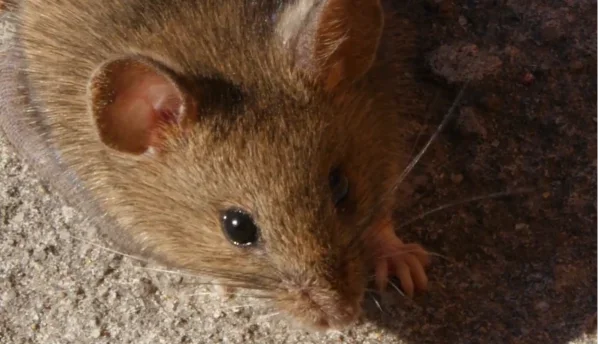
Most Scranton homeowners first notice mice the same way: droppings in a kitchen drawer, a torn cereal box, or a quick shape darting along a baseboard at night. It is easy to dismiss as one mouse that wandered in, but mice breed quickly, and a single pair can grow into a population in weeks. The U.S. Environmental Protection Agency notes that you may never see a mouse or rat unless an infestation is severe, which means the signs you find matter more than the animals you see.
Professional mouse removal in Scranton, PA works because it treats the whole problem, not just the mouse you saw. A mouse exterminator who only sets traps leaves the entry points open, and new mice replace the trapped ones. A crew that only seals holes can trap mice inside, where they die in wall voids or chew new exits. The sequence that holds is inspection, then trapping, then sealing, then monitoring. That is the sequence this page describes, and it is how mice removal and mouse control work is typically organized.
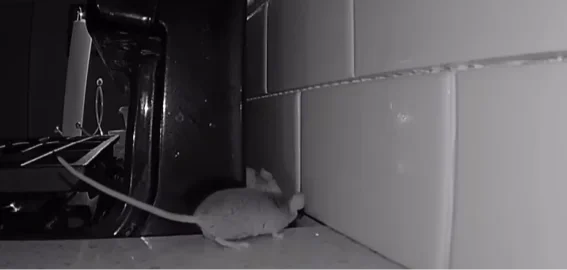
Signs of Mice in Your House
Mice leave small, consistent clues. Their droppings are about the size of a grain of rice, with pointed ends, and they appear along baseboards, inside drawers, under the sink, behind appliances, and in pantries. Because mice travel the same routes nightly, droppings cluster along walls and near food. Fresh droppings are dark and soft; older ones turn gray and crumbly. Finding droppings in more than one room usually means the mice are established, not just passing through.
Other signs build the picture. You may hear light scratching or scurrying in walls or ceilings at night, find nesting material such as shredded paper, fabric, or insulation in quiet corners, or notice a stale, musty odor in cupboards and under stairs. Chewed food packaging, gnaw marks on wood and cardboard, and small holes in cereal or pet-food bags are common. Pets often notice mice first: a dog or cat staring at a kick-plate, a wall, or the back of a cabinet is worth paying attention to.
- Small, rice-shaped droppings in drawers, pantries, and along baseboards
- Light scratching or scurrying in walls, ceilings, or the attic at night
- Nesting material: shredded paper, fabric, insulation, or dryer lint
- Chewed food packaging, gnawed cardboard, and holes in pet-food bags
- A stale, musty, or urine-like smell in cupboards and enclosed spaces
- Pets fixated on walls, kick-plates, or the backs of cabinets
House Mice: The Mouse You Are Most Likely Dealing With
The house mouse is the species behind most indoor mouse problems in Scranton. It is small — body roughly three to four inches long, with large ears, a pointed nose, and a tail about as long as its body — and it is comfortable living its whole life inside a building. House mice nest in wall voids, behind cabinets, in attics, and in basement clutter, and they feed on crumbs, stored food, pet food, and birdseed. They are also the species most often linked to contaminated food surfaces, because they leave droppings and urine as they travel.
Other mice, such as deer mice and field mice, live mostly outdoors and usually enter only when cold weather or a nearby food source draws them in. Deer mice look similar to house mice but have white undersides and feet, and they are associated with hantavirus, which is why droppings should never be swept or vacuumed. The inspection identifies which mouse is present from droppings, nesting, and entry evidence, because the species shapes where traps go and which gaps matter most.
Mice in Scranton’s Older Homes: Kitchens, Wall Voids, and Shared Walls
A mouse needs a gap about a quarter inch wide — roughly the size of a dime — to enter. Scranton’s older homes offer many such gaps. Pre-1970 houses commonly have basements with old utility penetrations, stone foundations with mortar joints that have opened over time, attic gaps at soffits and vents, and door frames and garage seals that no longer close tightly. Each gap is small on its own, but a house can have a dozen of them, and mice only need one.
Kitchens and pantries are where mice settle because food, water, warmth, and nesting spots are close together. Wall voids carry them from the basement to the attic without ever crossing an open floor. In doubles and row homes, a mouse that enters through one unit can travel through shared walls into the next, which is why a single-unit fix sometimes falls short and why the inspection looks at the building as a whole. Renters in older converted buildings should also know that documenting droppings and entry points with dated photos helps when reporting the problem to a landlord.
- Dime-sized gaps: mice fit through openings about a quarter inch wide
- Kitchens and pantries: food, water, warmth, and cabinet voids together
- Wall voids: hidden highways from basement to attic
- Basements and attics: nesting and travel space in older homes
- Shared walls in doubles and row homes: activity can cross between units
How the Work Is Typically Sequenced
- Inspect
A provider checks the exterior, basement, attic, kitchen, and rooms with signs, identify the mouse species, and photograph entry points and nesting areas. - Plan
Ask the provider for a written plan and a quote before work begins, including trap placement and which gaps will be sealed. - Trap and remove
Snap traps are placed along walls, runways, and near nesting areas, then checked on scheduled follow-ups. Removed mice are handled with gloves and bagged. - Seal entry points
After the mice inside are removed, gaps are sealed with durable materials so new mice cannot follow the same routes in. - Monitor and follow up
Follow-up visits check for fresh droppings and trap activity and confirm that sealed points are holding.
See how the 6-step process works, what happens on each visit, and what to prepare.
What a Provider Typically Includes — and What Is Typically Not Included
Typically Included
- Full inspection of the exterior, basement, attic, kitchen, and rooms with signs
- Species identification and written, photo-documented findings
- Snap-trap placement along runways and scheduled trap checks
- Sealing of identified entry points with durable materials
- Written plan and quote before work begins, plus follow-up visits as planned
Typically Not Included
- Cleanup of droppings or contaminated insulation (see attic rodent cleanup)
- Repairs to wiring, plumbing, drywall, or structural damage found during inspection
- Treatment of a neighboring unit or property you do not control
- Ongoing monitoring after the planned follow-up visits end, unless a monitoring plan is arranged
If the inspection finds heavy droppings or contaminated insulation in the attic, that cleanup is a separate service. See the attic rodent cleanup page for what that work covers.
How Do I Know If I Have Mice and Not Rats?
Dropping size is the quickest clue: mouse droppings are small and rice-shaped, while rat droppings are much larger and blunt-ended. Mouse noises are light and quick; rat noises sound heavier. Mice also leave smaller gnaw marks and no obvious grease rub marks. If you are unsure, save a clear photo of the droppings next to a coin for scale and let the inspection confirm the species.
How Long Does It Take to Get Rid of Mice?
Most mouse jobs take more than one visit. Trapping usually runs for one to two weeks, with follow-ups to check activity, and sealing follows once the mice inside are out. A small, recent problem may resolve in two or three visits. A larger or long-running population takes longer. The first inspection gives you a realistic schedule based on what is actually found.
Can Mice Make You Sick?
Mice can contaminate food and surfaces with droppings and urine, and they can carry parasites such as fleas and mites. The U.S. Centers for Disease Control and Prevention notes that rodents can spread disease directly through droppings, urine, saliva, or bites, and indirectly through parasites that fed on them. This is general information, not medical advice: if you have health concerns, talk to your clinician. For cleanup, do not sweep or vacuum droppings; wet the area with a disinfectant, wear gloves, and bag the waste.
Frequently Asked Questions
Does the provider use poison for mice?
Trapping and exclusion are the starting point. When rodenticides are used at all, they go in tamper-resistant stations placed with children and pets in mind, and their use is explained to you first. Poison is not a substitute for sealing.
Will one mouse mean there are more?
Often, yes. Mice breed quickly, and one sighting usually means there is activity you have not seen. An inspection checks for droppings, nesting, and entry points to judge how established the problem is.
Can mice get in through a dime-sized hole?
Yes. A mouse can fit through a gap about a quarter inch wide, roughly the size of a dime. Common gaps include pipe penetrations, door frames, garage seals, and attic vents.
Should I vacuum mouse droppings?
No. Sweeping or vacuuming can stir dust into the air. The CDC guidance is to ventilate, wet droppings with a disinfectant, wear gloves, and bag the waste for disposal.
Related Services
- Rat Removal in Scranton, PA
- Rodent Exclusion in Scranton, PA
- Attic Rodent Cleanup in Scranton, PA
- Basement & Crawl Space Rodents in Scranton, PA
Not Sure Where to Start? Call for Today’s Availability
Call (570) 555-0140 or request a callback. You will get a photo-documented inspection, a written plan, and a quote before any work begins.