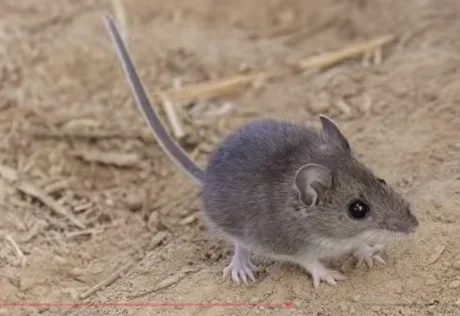
Why do rodents chew car wires?
Rodents chew because their teeth never stop growing, and a parked car is warm, sheltered, and full of chewable material.
An engine bay holds heat for hours after a drive, and it is dark, quiet, and protected from weather and predators. Wire looms, hoses, and insulation give a mouse or rat plenty to gnaw, and the flat surfaces around them collect nesting material dragged in from nearby. Mechanics and manufacturers often point to soy-based insulation, used in some modern wiring, as part of the draw. That is widely reported and may play a role, but it is not the whole story: rodents gnawed vehicle wiring long before soy insulation existed, because gnawing is how they wear their teeth down. Any vehicle that sits parked for days at a time — at a house, a rental, or a lot — can be a target.
What are the signs rodents are getting into your car?
Droppings on the engine cover, nesting material under the hood, and new warning lights are the three signs to take seriously.
Pop the hood and look with a flashlight. The common signs are droppings on flat surfaces in the engine bay, leaves, paper, or insulation gathered into a nest, wires or hoses with insulation stripped or frayed, and stored food — seeds, acorns, or pet kibble — tucked into corners. Check the cabin air filter housing too; it is a favorite nesting spot. A stale, musty smell through the vents is another clue. One sign can be chance. Two or more mean an animal is using the car regularly, usually at night.
What should you do first?
Treat chewed wiring as a mechanic’s job first, and a rodent job at the same time.
If warning lights are on, wires are visibly chewed, or insulation is stripped near safety systems, have a mechanic inspect the car before you rely on it — chewed looms can affect systems the car needs to be safe. Photograph the damage before anything is cleaned up; the photos help the mechanic, and they may matter if you ask your insurer about the damage. Remove nesting material wearing gloves, and do not put poison in the engine bay. Then treat the parking spot as part of the problem: a car that is chewed twice is parked where rodents live, and the garage or the route into it is where the rodent side gets fixed.
How do you keep mice out of the car and garage?
For exclusion purposes, the garage is part of the house: seal it the same way.
Start with the garage door seal and the gaps around it, utility penetrations, and any opening where a wall meets the foundation — a mouse fits through a gap of about a quarter inch. Move bird seed, pet food, and grass seed into sealed hard containers or indoors; open bags in a garage feed the exact animals you are trying to keep out. Clear woodpiles, brush, and stored clutter away from the walls, move the car regularly if you can, and set traps inside the garage along the walls rather than in the car. After a repair, ask your mechanic about rodent-deterrent tape for the repaired loom. In fall and winter, pop the hood once a week and look — catching a new nest early is much cheaper than catching it after the next repair.
Is this the same problem as chewed wiring in the house?
Same teeth, same behavior — different first call.
In the house, exposed wiring is an electrician-first problem, because damaged conductors are a fire and shock risk. The guide to chewed wiring in the home covers that order: make it safe, remove the rodents, seal, then repair. The car version runs the same way with a mechanic in the electrician’s place. In both cases, the repair only holds if the rodents are removed and their routes in are sealed — otherwise the chewing simply starts again on the new wiring.
What to do next
If rodents are in the car, they are usually in the garage, basement, or attic too, using the same routes.
Book an inspection of the home and garage and mention the vehicle damage when you call, so the inspection covers the garage gaps and storage that feed the problem. Sealing is covered on the exclusion page.
Sources: mechanic and manufacturer guidance on rodent wire damage; CDC and EPA rodent guidance. General information, not mechanical or insurance advice.